

In Lagos, preparing the construction of a new urban electric-powered train line
Lagos, a megacity known for its traffic congestion and pollution, is developing an efficient and eco-friendly electric rail system to offer a sustainable alternative to road transport while connecting its outskirts. The UMDF supports this initiative by funding preparatory studies for the 48 km Orange Line, which is expected to serve 500,000 passengers daily.
As one of the fastest-growing cities in the world and the economic powerhouse of Nigeria, approximately 1,000 people migrate into Lagos every day, according to the UN. The existing transport system grapples with the need for adequate funding and improved institutional capacity to effectively address the evolving demands of the public.
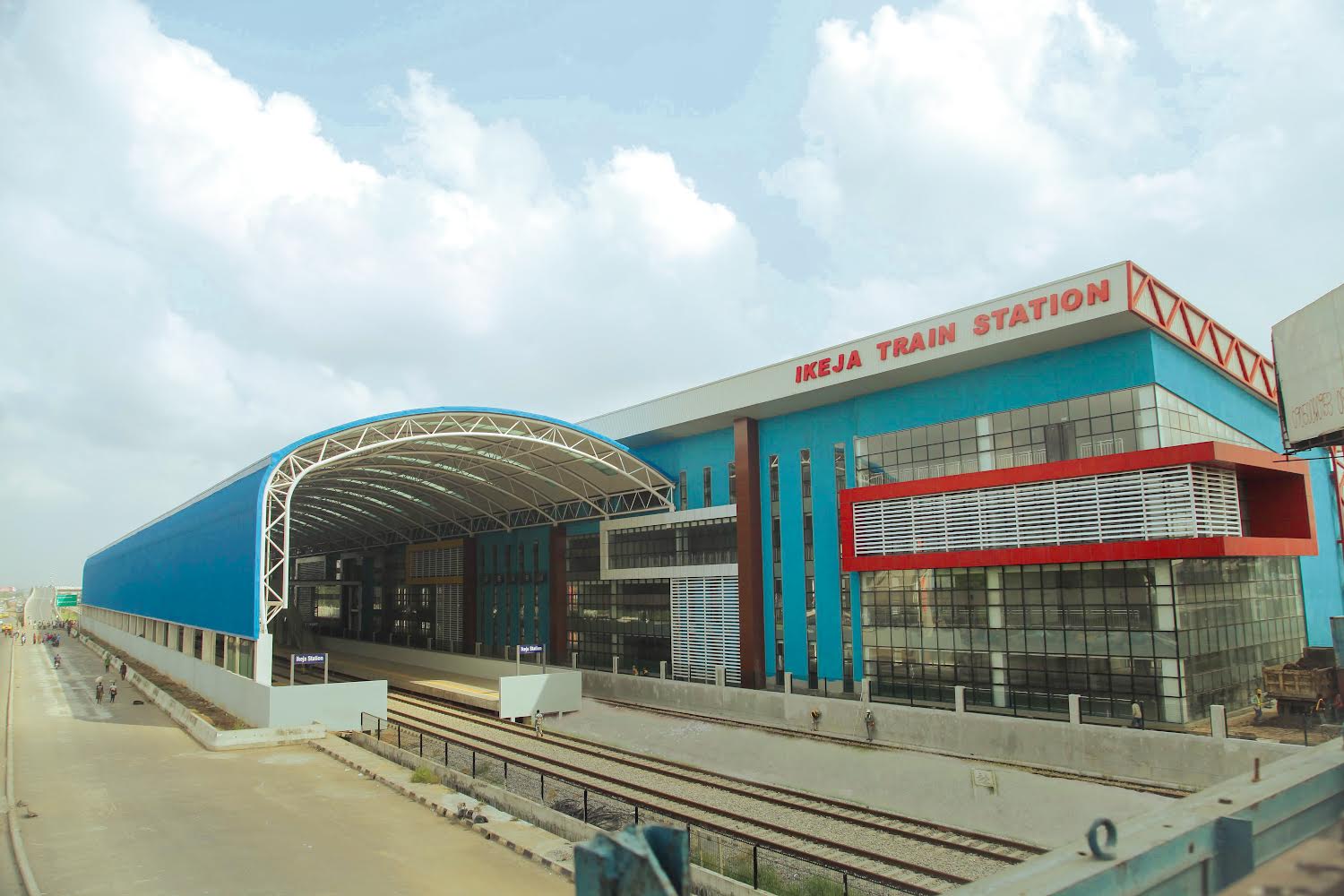
In recent years, Lagos has embarked on building an extensive urban rail public transport network, aiming to alleviate the severe traffic congestion by offering an efficient and green alternative to road transportation.
The future Orange Line is set to become a key component of this network. It will connect the heart of Lagos to the municipality of Agbowa, 48 km to the east, traversing an area where nearly 15 million Nigerians live. This electrically-powered train line will eventually carry 500,000 passengers a day, helping to connect and integrate communities living on the eastern outskirts of Lagos. It will facilitate their daily commutes and create new economic opportunities in the areas it traverses.
To expedite the construction of this line, the Urban and Municipal Development Fund has allocated $500,000 to initiate the feasibility study. This preparatory work will start in 2025 and contribute to consolidating the package of documents required to finalize the project and attract funding partners, including the African Development Bank. The estimated total cost of constructing this infrastructure is $1.6 billion.