Slum upgrading: Constructive dialogue with local communities maximizes social and environmental impact
Slum upgrading: Constructive dialogue with local communities maximizes social and environmental impact
The neighborhoods of Cantinho do Céu (São Paulo), Caximba (Curitiba), and Beira Rio (Fortaleza) showcase how urban renewal in informal settlements can be facilitated through proactive environmental and social approaches developed in close collaboration with local stakeholders.
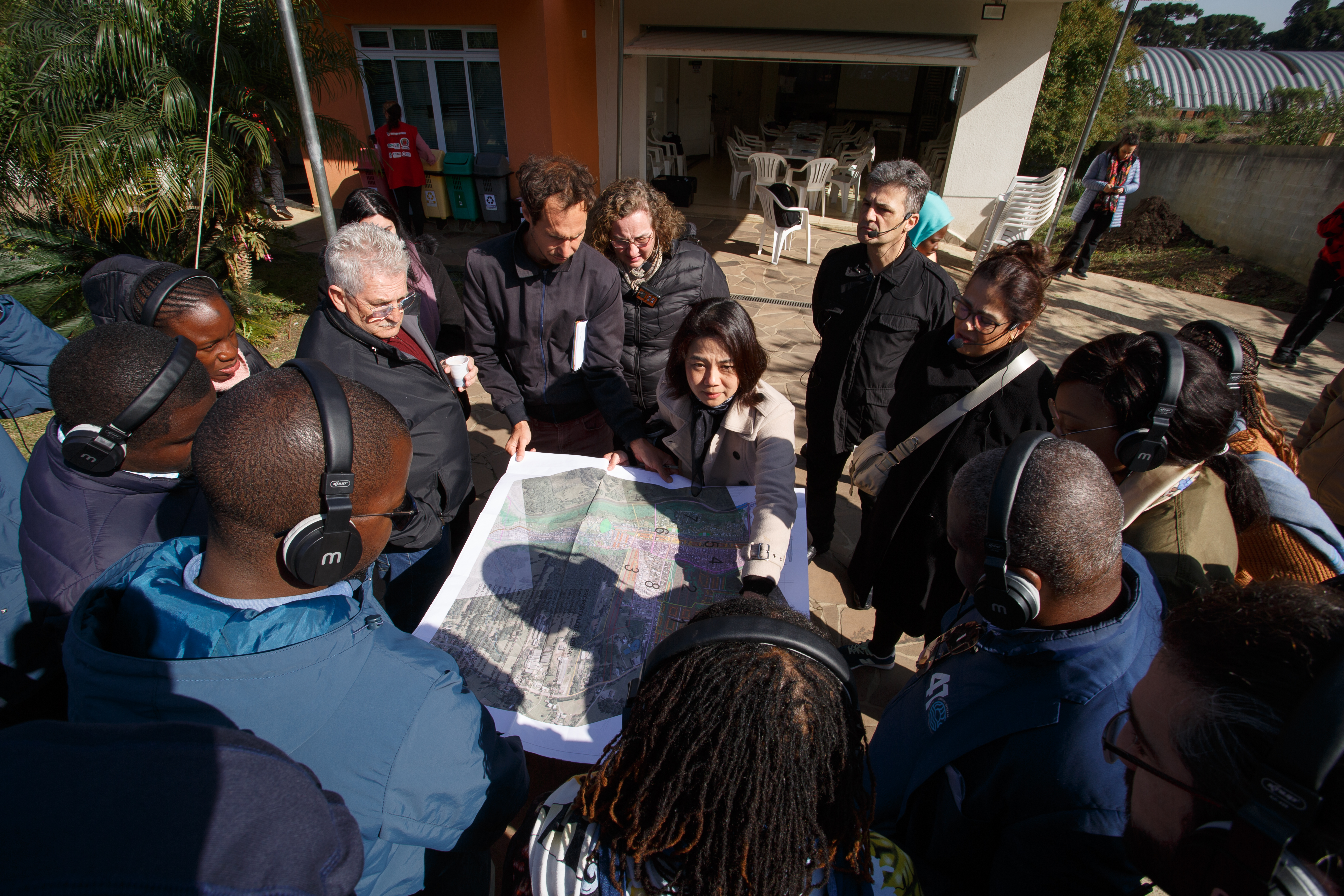
Let’s explore these areas as participants of the 2024 Study Tour did, following their journey to Brazil to discover innovative urban planning solutions
Securing the rights of informal settlement residents
The rapid growth of Brazil’s urban population and rural-to-urban migration has overwhelmed the formal housing market, leaving it unable to meet the needs of the entire population. In response, the state has pursued a compromise with those families and communities living in informal neighborhoods.
In 2001, Brazil amended its laws to better protect the rights of people residing on illegally occupied land. Now, while the law shields these residents from violent evictions, it also promotes a shift from punitive measures to a more socially responsive view of informal settlements. Municipalities are now required to balance the protection of lives and environmental safety with guaranteeing access to decent housing and basic services.
The neighborhoods visited by the delegation exemplify this dual mission: preserving the dignity and rights of informal settlement residents while addressing their social and environmental vulnerabilities, particularly in flood-prone areas.
In São Paulo, Curitiba, and Fortaleza, municipalities are also issuing negotiated property titles to informal settlement residents. This approach gives residents a clear path to legal ownership, encouraging their constructive participation in rehabilitation programs, even when relocation is involved.
It’s interesting to note that, in the Sao Paulo and Curitiba’s projects, gender dimension has been a key driver of the property formalization process: as women are the first to be granted property titles. This prioritization recognizes that women are often more socially anchored and typically responsible for children. It is, therefore, vital for them to retain the house in cases of conflict or divorce. Women's active involvement in local life is evident, as reflected in the significant number of women participating in defining and implementing the Caiximba and Cantinho do Céu urban renewal projects.
Relocation within the neighborhood
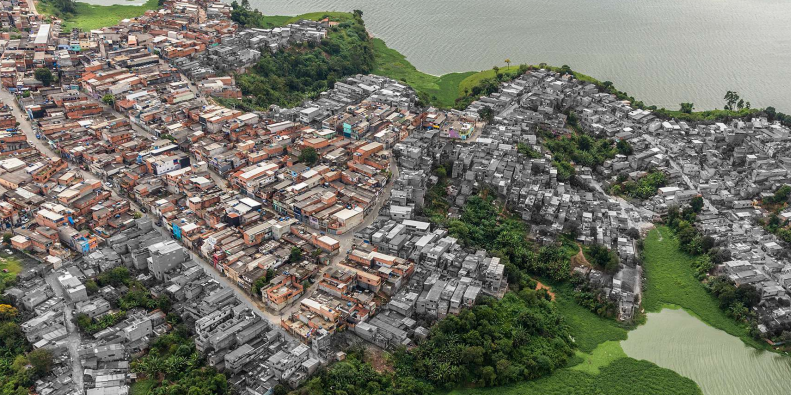
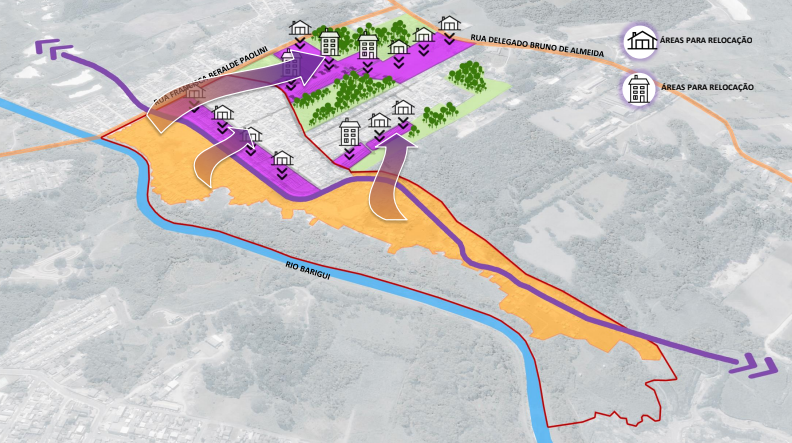
In the south of São Paulo, Cantinho do Céu—literally "the little corner of heaven"—faced illegal occupation in an area highly prone to flooding and landslides due to its location along the edge of a lagoon. This is a common situation in Brazil, where informal settlements frequently develop in high-risk areas, as seen in the western part of Fortaleza along the Ceará River and in Caximba at the southern edge of Curitiba’s metropolitan area along the Barigui River.
In Brazil, federal laws mandate that public authorities ensure displaced residents are rehoused within the same catchment area, thereby minimizing disruptions to their daily lives, such as access to work and education, and preserving their integration within their local communities.
In Cantinho do Céu, the relocation of families living in flood-prone zones provided an opportunity for the municipality to adopt a grassroots approach. This included offering social support, integrating the relocated families into education and healthcare systems, and co-creating a more sustainable and desirable future for the area.
This support has been extended over time, with the administration engaging in meaningful dialogue with affected families to ensure their genuine commitment to the relocation process. Families are given two options: either a social housing unit in newly built residential complexes within the same neighborhood or financial compensation. The compensation is calculated independently and reflects the value of their prior investment in their informal homes.
A holistic approach
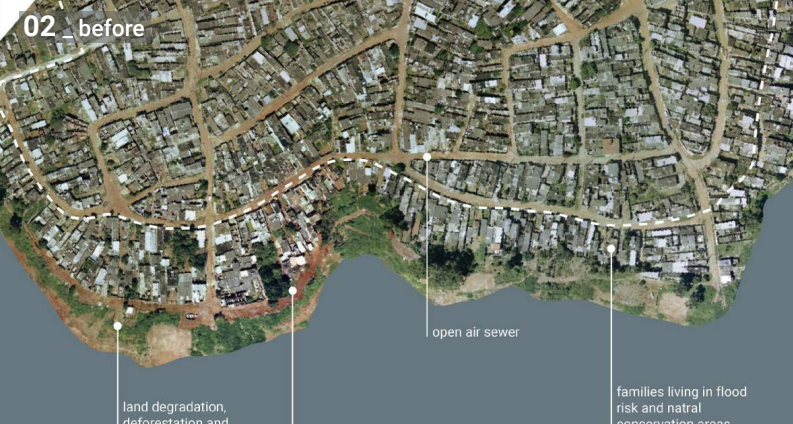
Addressing the risks faced by residents of informal settlements can serve as an opportunity to adopt a comprehensive approach to urban planning and public service upgrades, one that leverages synergies across sectors to provide holistic solutions that meet the needs of the population.
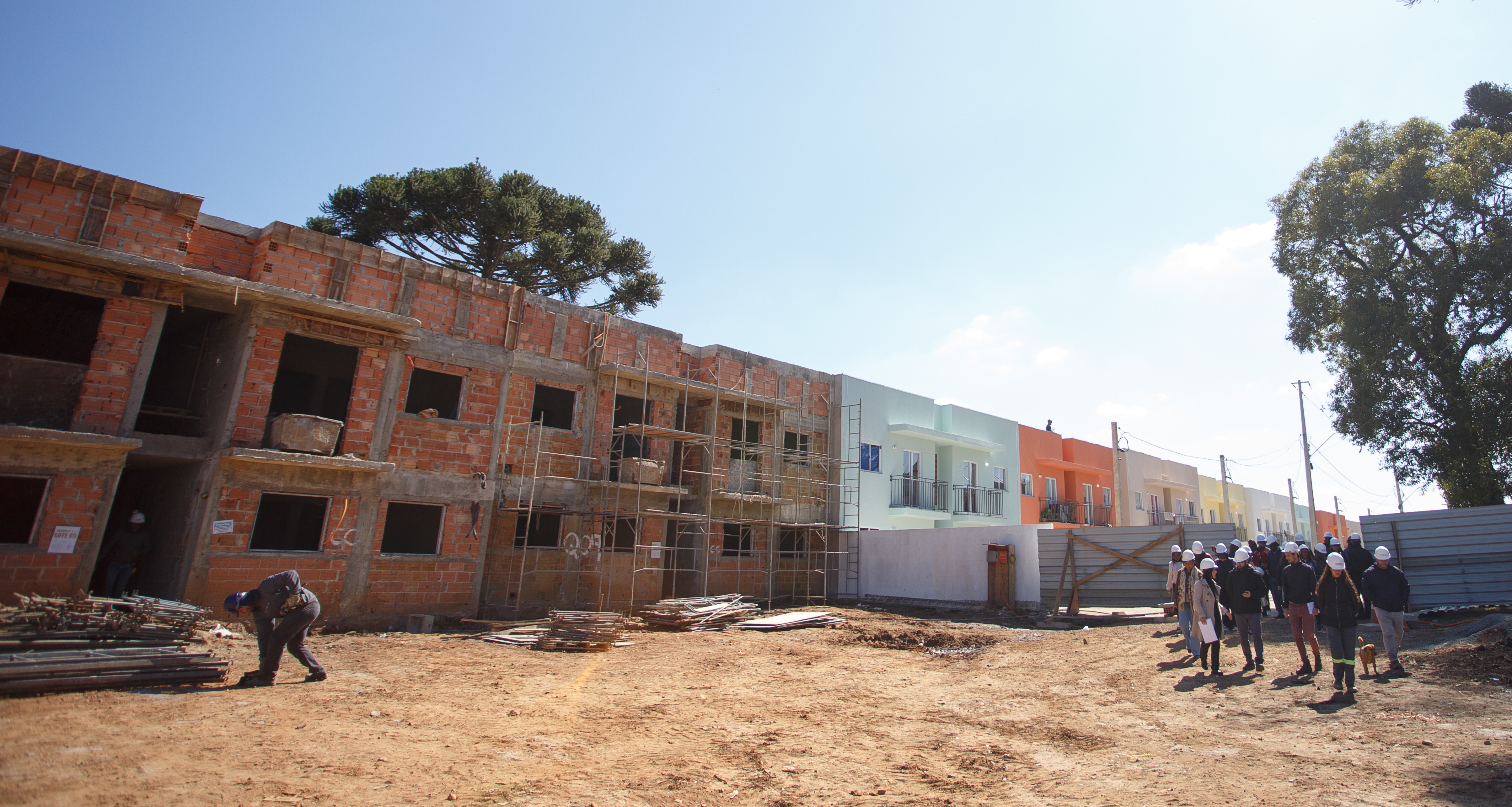
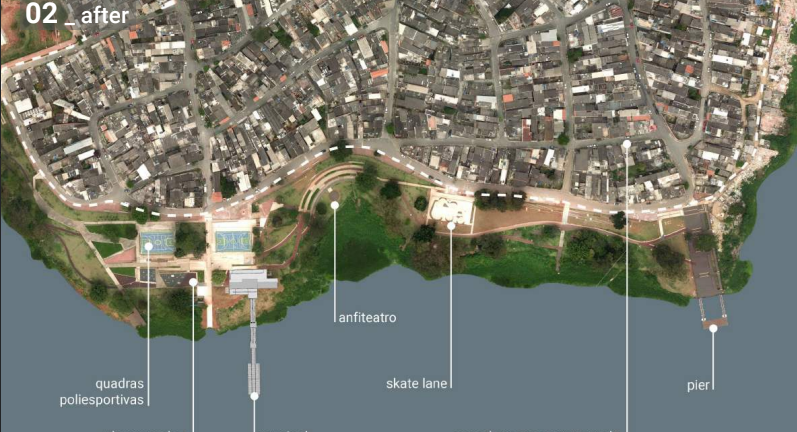
In São Paulo, the regularization program in the Cantinho do Céu neighborhood has helped manage the city's rapid expansion in its southern outskirts by controlling urban sprawl and reducing its environmental impact. Within the district, 8,000 social housing units are nearing completion, alongside the development of a cultural center, a health clinic, and a park.
Additionally, a park was established along the lagoon bank, serving as a buffer zone to prevent further settlements in high-risk areas. This area has been transformed into a recreational space featuring a floating pontoon and sports fields, allowing residents to reclaim the space and engage with the lagoon in a positive way.
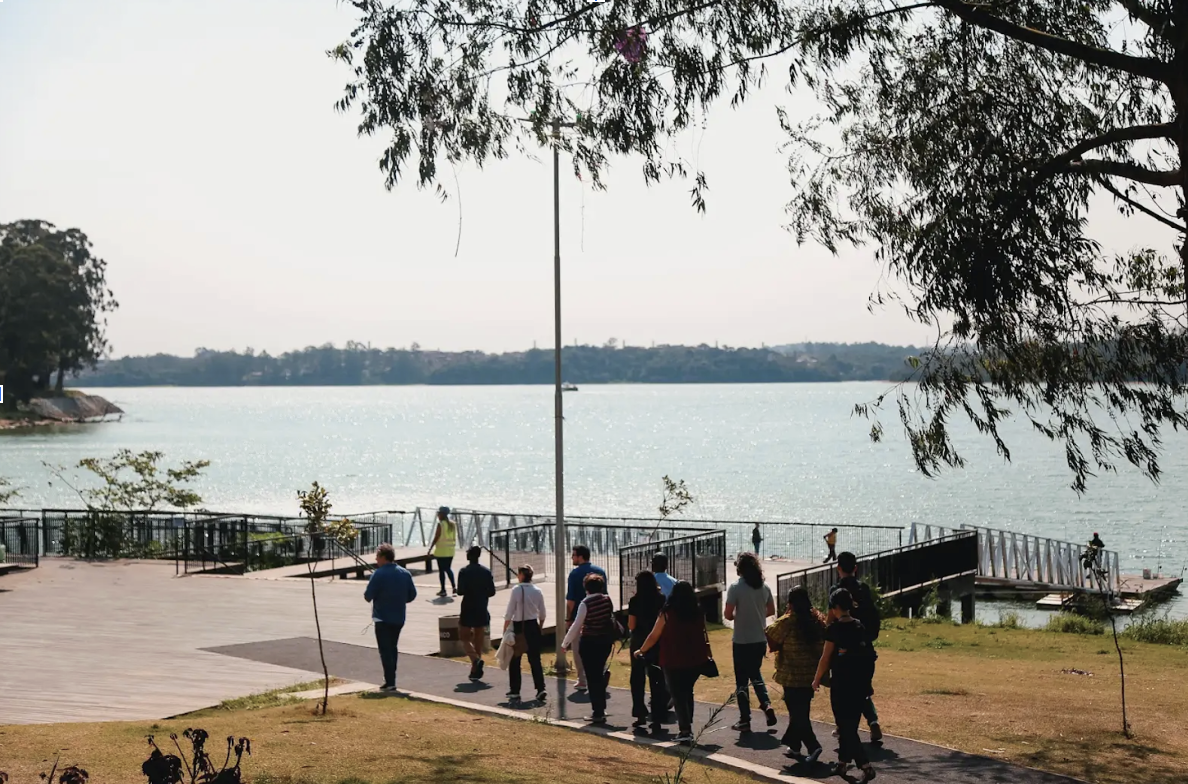
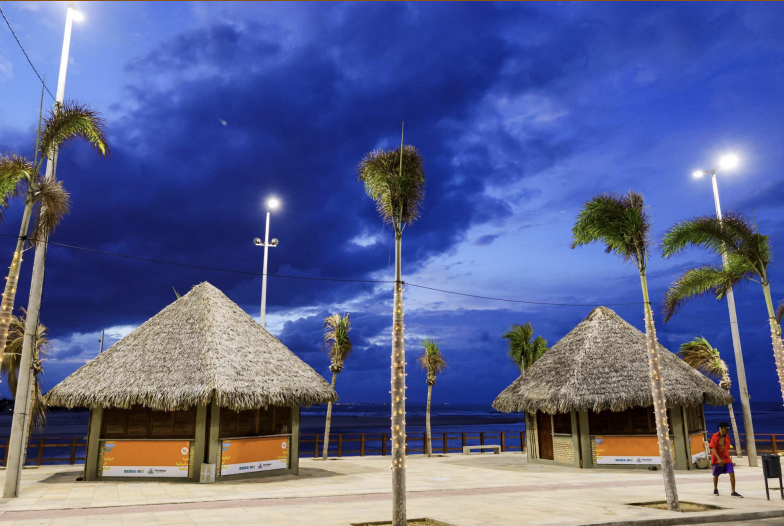
A similar transformation took place in the far west of Fortaleza, at the edge of the city along the Ceará River. The delegation visited the Beira Rio project, where homes in a working-class neighborhood were previously affected by flooding and situated near a polluted landfill site. An investment of USD 2 million turned this area into a public space with a pedestrian promenade, bike paths, sports facilities, and spaces for bars: this created a buffer zone between the river and residential areas. Residents reclaimed these well-equipped public spaces and local small businesses reestablished themselves. The river, once seen as a threat, is now viewed as an opportunity to develop fishing, tourism, and a stronger neighborhood identity.
These urban renewal projects in São Paulo, Curitiba, and Fortaleza share a key commonality: they were developed through coordinated efforts involving a wide range of local actors, both public and private. This integrated approach avoids siloed decision-making and addresses challenges with a cross-cutting vision, linking housing, environmental preservation, public services, and economic opportunities.
Toward a fair and inclusive urban development
Successful urban renewal projects require a deep understanding of the social dynamics within neighborhoods. As such, it is essential to assess the specific needs of each area and its diverse social groups, avoiding pre-defined plans that may prove unsuitable or ineffective.
In Curitiba, an AFD-funded pilot project aims to rehouse people living in flood-prone areas along the river in a neighborhood called Caximba. Initiated in 2017, this project addresses a catchment area of approximately 10,000 residents. Its goals go beyond ensuring safety; it also seeks to improve residents’ daily lives and stimulate new opportunities for them.
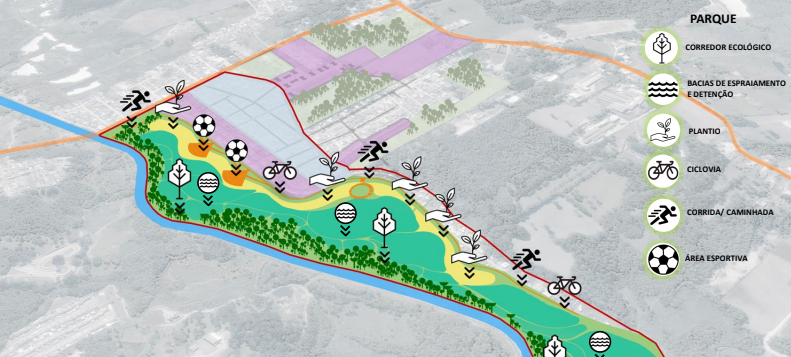
Mauro Mangnabosco, architect and project coordinator, emphasizes the importance of community involvement: “For the project to be truly appropriate, we need to involve the community, not only by informing them but also by helping them participate in decision-making.” In Caximba, a 12-member neighborhood committee was elected by the community to actively participate in and monitor each phase of the project. This committee also facilitates dialogue with the broader population. The municipality further organized meetings with specific social groups, such as women—who hold a prominent role and have unique needs—as well as the LGBTQ+ community and professionals like waste collectors.
Mangnabosco’s team also set-up a key communication channel, “Fala Caximba,” whereby families can submit their requests in writing, via telephone, or through individual interviews. Each request is documented, tracked, and included in a transparent reporting process. Every family and housing unit is registered in the “cohab” system, a public platform where all results of the allocation process are published. This ensures the information is auditable and transparent, allowing stakeholders to monitor each family’s situation over time and prevent favoritism or arbitrary decisions.
This inclusive and participatory approach ensures that urban development projects are aligned with the realities and aspirations of the communities they aim to serve, thereby fostering long-term success.