

Data-driven decision-making: fostering an human-centered urban planning.
The technological revolution is also having a huge impact on city policy and, when placed at the service of decision-makers, it can become a tool in the service of ambitious, inclusive urban development that respects the city's finances. The participants of the Brazilian Cities Study Tour of the African Cities Program (ACP), organized by the Urban and Municipal Development Fund (UMDF), got a glimpse of the best and most innovative city-scale projects in the country.
Learn more about the Brazil Study Tour 2024 organized as part of the African Cities Program (ACP) here
The municipal governments of Curitiba and Fortaleza have clearly understood the opportunity offered by the digital revolution: they have developed city-wide tools that give them a detailed understanding of their territory and the needs of their fellow citizens. Both of the cities are taking human-centered political decisions, leveraging data collected in the field and aggregate thanks to tailor-made data platforms.
BigData: In Fortaleza, there is a project to systematically base political decisions on data collected on the field
In Fortaleza, for example, the BigData project will make it possible to anticipate public service needs and adapt policies based on data collected in the field. It's a platform that uses artificial intelligence to integrate municipal data to better inform the municipality's decision.
Elcio Batista, vice-mayor of Fortaleza, gave some examples,: “BigData will make it possible to forecast demographic density by neighborhood; monitor the number of places available in nurseries based on the number of live births; effectively increase vaccination coverage, among other possibilities. We'll be able to give more assertive answers about the impact of the projects on reducing inequalities, benefiting the entire population of Fortaleza.”
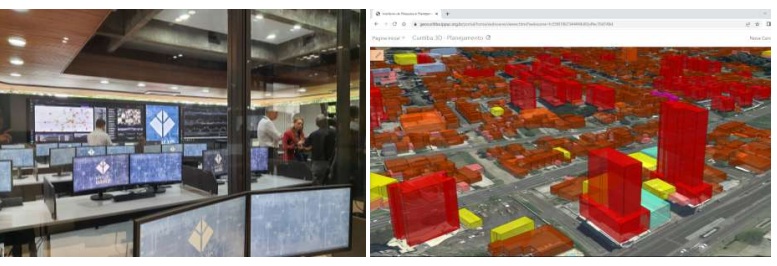
Digital apps: Curitiba is leveraging data aggregation to get an up-to-date vision of the city
In Curitiba, the city's Planning Institute works with data and satellites to obtain an up-to-date overview of urban expansion, and to take appropriate action in response to constantly changing demand on the ground. Thanks to a platform called Geo Curitiba, public players can access an up-to-date 3D map of the city, which, since it is a public platform, is also accessible to private players. This platform enables precise measurements of the terrain to be taken and geographical and temporal filters to be applied.
Gemeos Digitais (literally "Digital Twins") is another innovative tool available in Curitiba, enabling simulations to address urban planning challenges. For instance, it can model rainfall levels in a specific neighborhood so as to predict flood-prone areas, enabling the municipalities to take measures to improve the resilience of the city against hazards. It can also analyze the impact of constructing a shopping center on mobility demand, helping anticipate the need for public transport facilities or road upgrades.
Desigual lab of Fortalza: Using data is a powerful way to fight inequality and to change people’s lives
Data-driven decision-making can also be seen as a way of saving public money, enabling authorities , as Elcio Batista said, to “Do more with less.” It is, therefore, a guarantee of personalization and efficiency in the management of public money. This data-driven culture is a cornerstone of the innovative approach to urban development adopted by Brazilian cities with urban planning institutes.
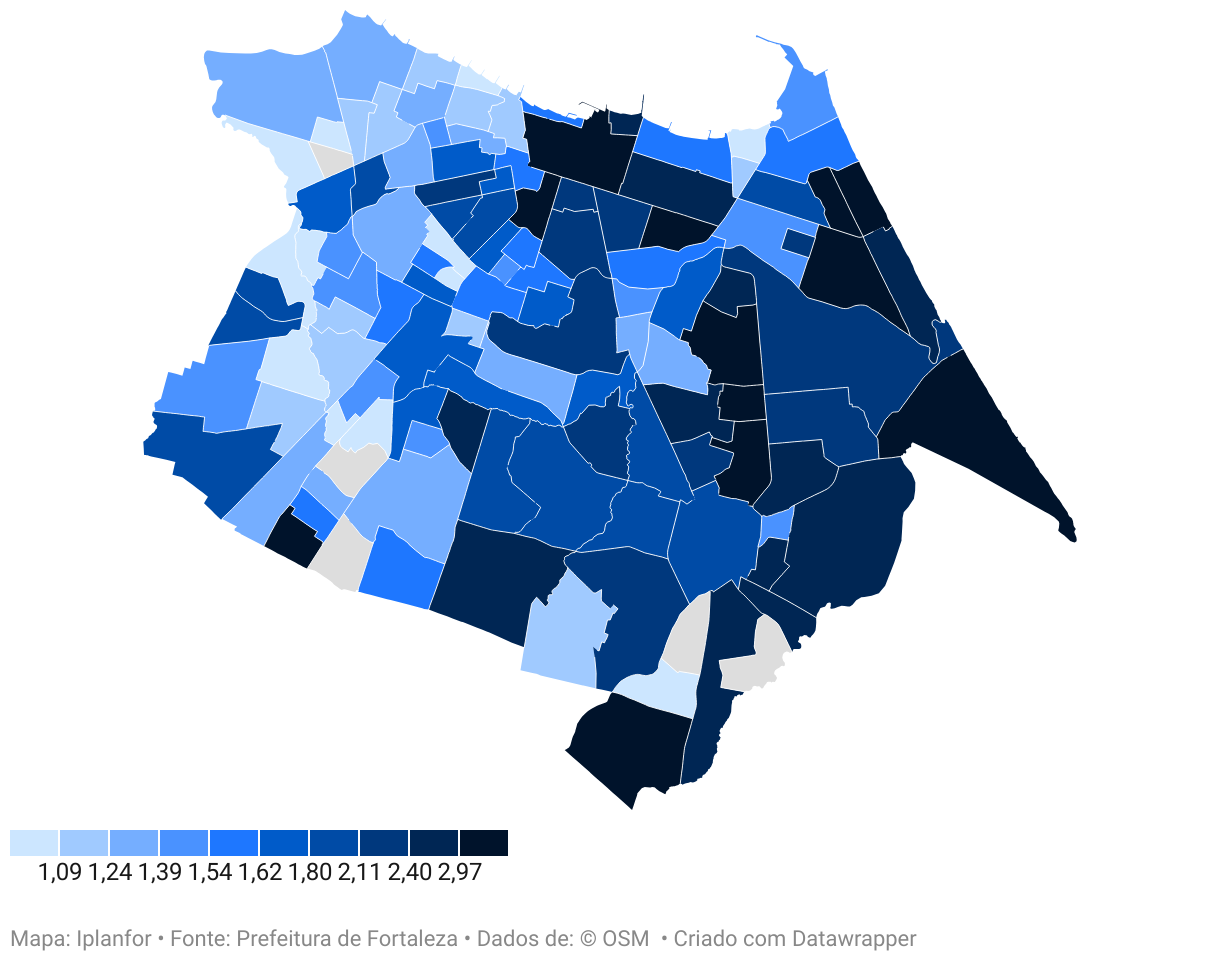
In this context, the Desigual Lab, Fortaleza's Laboratory for the Experimental Evaluation of Public Policies, represents a new paradigm for improving the quality of impact evaluations for municipal programs. Its primary goal is to ensure the efficient allocation of public resources and foster better outcomes for the community. By leveraging data visualizations to map inequalities across the city, the laboratory helps direct targeted investments to vulnerable areas. Furthermore, by analyzing the factors that drive and perpetuate inequalities, the Desigual Lab contributes to the development of more inclusive and effective public policies.
Environment and democracy can also be impacted positively with a relevant data management
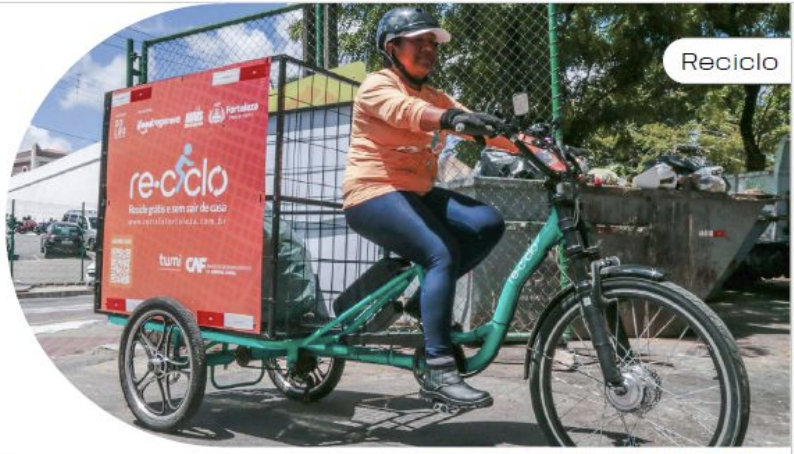
A program called Recyclo has also been launched to leverage technological tools: an application enables waste collectors to be called at home, guaranteeing that waste is recycled before it is thrown into the garbage can. In turn, waste collectors are trained and given a bike in the municipality's colors to collect waste from people's homes. It's a combination of technological and manual solutions.
From a democratic perspective, the impact of data-driven policymaking is equally significant. As Larissa Menescal, President of Ipplan Fortaleza (the city’s planning institute), highlights, the creation of data and implementation of transparency measures allow the impact of government decisions to be assessed using tangible indicators, making results measurable and enhancing accountability among decision-makers. Through the implementation of clear and effective communication, information reaches the population more readily. Public reports on program outcomes are made available for discussion among stakeholders, fostering, in turn, a culture of dialogue and compromise. This approach reduces the vulnerability of programs to political changes and strengthens the continuity of public initiatives.
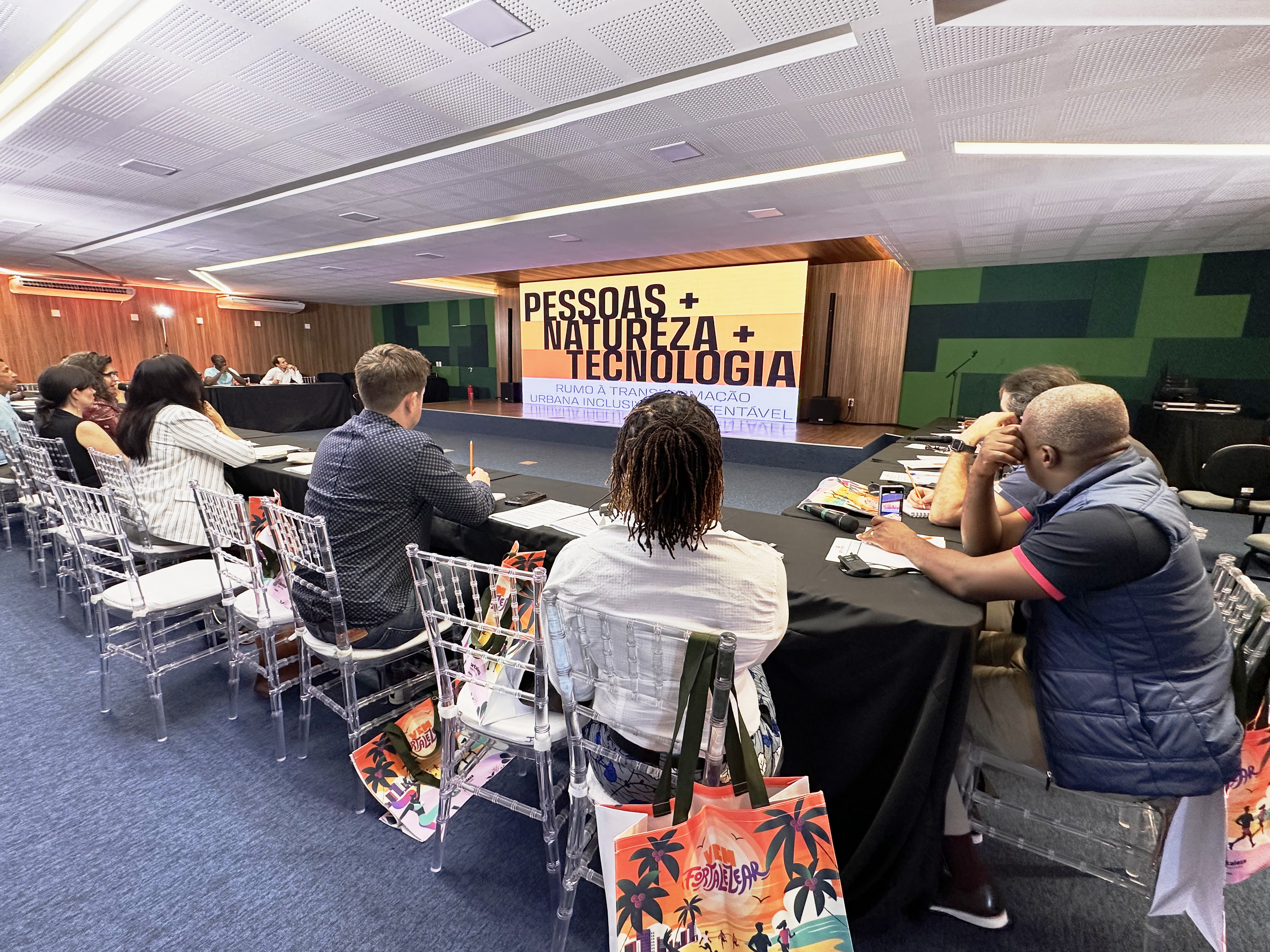
Data can be incorporated in the municipalities’ mindset by creating dedicated institutes
The research hubs created by Curitiba and Fortaleza play a crucial role in ensuring consistency in public action. As Elcio Batista notes, “Cities with research institutes are able to project themselves into a more distant future and constantly revise their public policies based on data feedback analyzed by these institutes. As a result, these cities develop more harmoniously over time. The most advanced cities in Brazil in terms of urban planning and public services are also those where planning institutes are closely integrated with decision-making processes.”
The participating African cities were profoundly inspired by Brazil’s data-driven mindset and witnessed the highly interdisciplinary nature of data utilization, aligning with the comprehensive, cross-sectoral approach advocated by the UMDF.